



We soon will learn what Congress and the Trump administration have in store for Medicaid. But while the state/federal program has become a high-profile target, it is widely misunderstood. And so are the consequences of major Medicaid changes for older adults, people with disabilities, and their families.
Yes, Medicaid provides medical insurance for low-income working age people and their children. But Medicaid spends more than half its budget on medical and long-term care for frail, low-income older adults and younger people with disabilities. And about one-quarter of all Medicaid benefits, more than $200 billion, goes to long-term care for about 9 million frail older adults and people with disabilities.
While Medicaid is a public insurance program, 94 million recipients get their benefits from private managed care organizations, or MCOs. A few are run by non profits but the vast majority are owned by insurance companies.
Those managed care companies often are responsible for both medical and long-term care for those known as dual eligibles, who qualify for both Medicaid and Medicare. About 60% of Medicaid LTSS beneficiaries received care through MCOs.
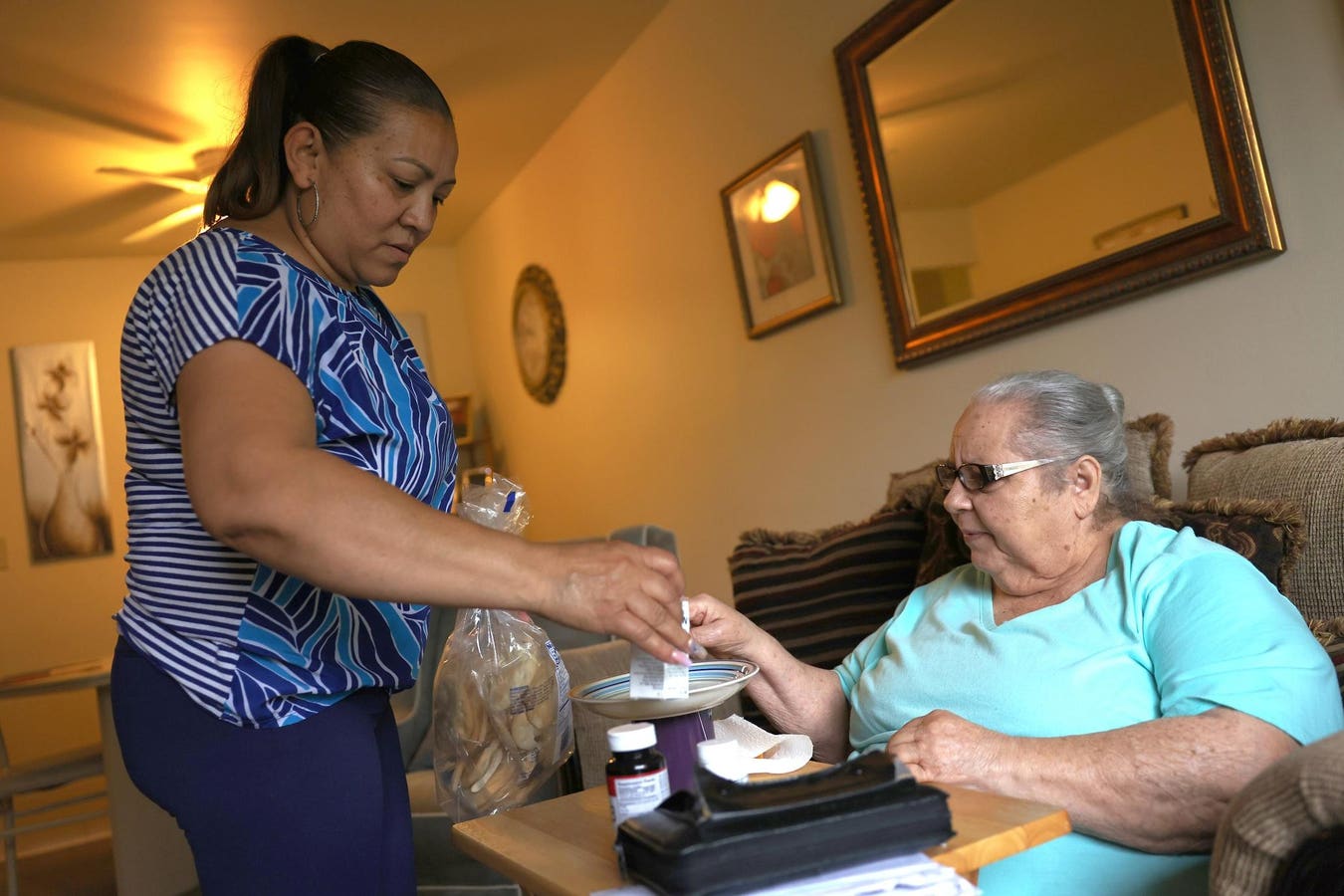
While many think Medicaid long-term care is provided only in nursing homes, 85% of Medicaid LTSS recipients get their care at home. For most, Medicaid’s limited assistance supplements care provided by family members.
And there is more you may not know: While some believe Medicaid long-term care is plagued by wealthy enrollees who hide their assets to become eligible for public care, the vast majority of Medicaid LTSS recipients have been poor their entire lives. And those few who had assets when younger likely burned through their savings after long spells of costly medical and long-term care.
What Congress May Do
Keep all this mind as you watch Congress battle over the fate of Medicaid cuts.
House Republicans want to make $800 billion in program reductions over the next decade but Senate Republicans appear far less enthusiastic. President Trump’s position remains unclear.
Those cuts could come through three basic mechanisms, with lots of versions of each: annual caps on the federal contribution to Medicaid, reducing the federal share of Medicaid spending, or imposing work requirements on beneficiaries.
The annual caps would be most draconian but appear least likely, given pushback from Republican governors.
Federal Contributions
Under current law, the federal government pays its share of Medicaid costs no matter how much those costs grow. In other words, the feds pay an average of 70% of a state’s Medicaid costs, no matter how high they are or how fast they rise.
But GOP lawmakers want to limit that contribution though either block grants or per-capita caps. Either way, the federal government would pay only a fixed dollar amount of Medicaid costs, rather than a percentage of its expenses.
Block grants could be adjusted each year by Congress, rather than rising automatically.
The first Trump administration proposed a per-enrollee cap, though it went nowhere.
Another option would lower the federal contribution percentage. Currently, the feds pay a minimum of 50% of a state’s Medicaid costs. Congress could reduce the federal share or, more likely, eliminate the minimum 50% federal match, which would save about $500 billion over 10 years. Thanks to a complex formula, several high-income (mostly Democratic) states fall below that 50% threshold.
Any version of these changes would sharply reduce the amount the federal government pays for Medicaid, forcing states to either raise taxes to fund more themselves, cut benefits, or limit eligibility to save money.
Shrinking federal funding could have important implications for Medicaid LTSS. For instance, states are mandated by law to pay for long-term care in nursing homes but not for home care benefits, which are an optional benefit. If Medicaid funding is cut, states still must provide nursing home care but could drop or reduce optional home care.
A Work Requirement
A work requirement would focus on beneficiaries rather than on federal payments.
The first Trump administration made work requirements optional, but this time Congress could mandate such a requirement.
The mandate would exempt older adults and people with disabilities, but what about their family caregivers?
It matters because many family caregivers likely are on Medicaid. Nearly 40% of white and more than half of Black family caregivers report spending more than 40 hours a week aiding a frail relative. A 2021 survey by the Rosalynn Carter Institute found 40% of employed family caregivers had to reduce their hours to support a loved one and nearly one in five quit their jobs. And those most likely to do so are low-income workers who might get caught up in a Medicaid work requirement.
Some versions of prior federal legislation would protect family caregivers, while others would not. And even with some protection, such a law would raise many difficult questions. Imagine two siblings caring for their mother. Which of them would be exempt from the Medicaid work requirement?
While many of the Medicaid cuts on the table would not directly affect older adults, people with disabilities, and their families, they are likely to have powerful indirect impacts. Keep it in mind as you watch what Congress does to the program.
Read the full article here