


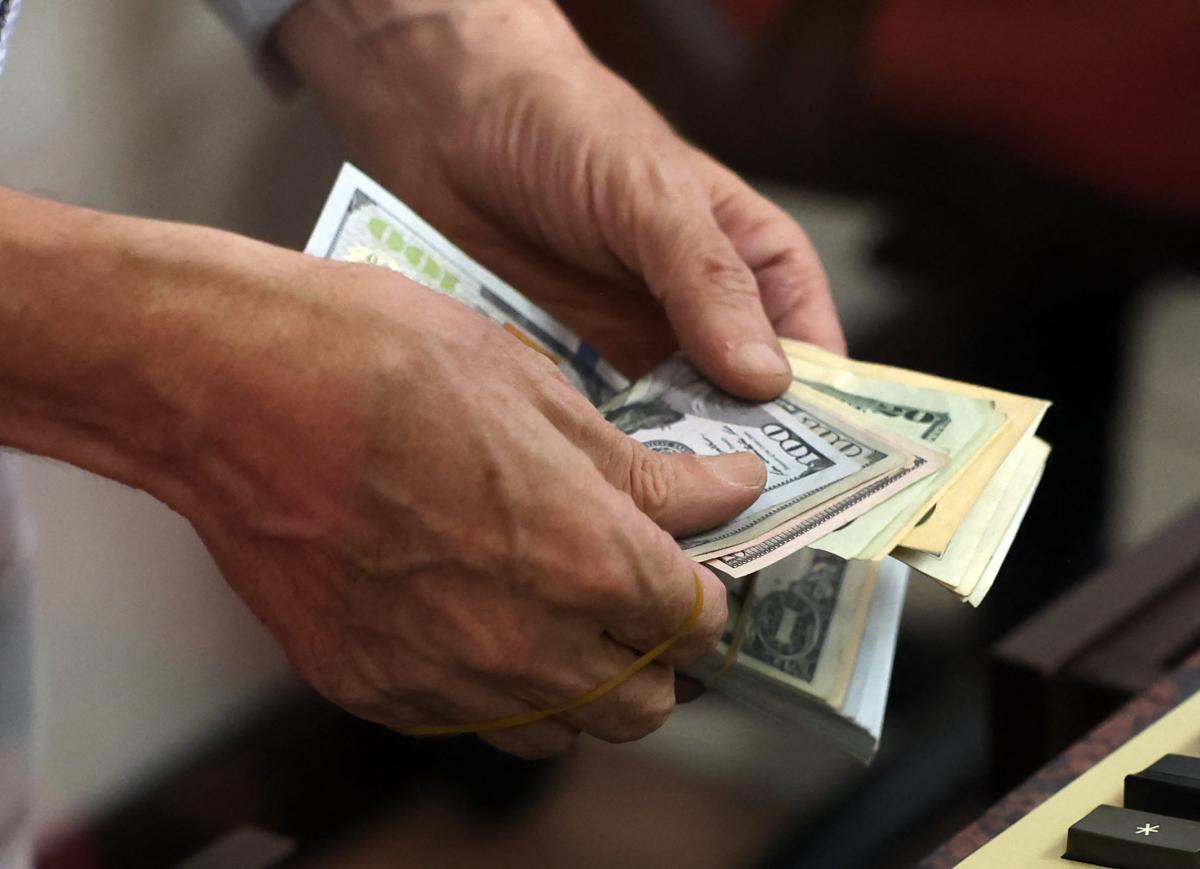
Tens of millions of Americans can’t seem to save much money on their own, which becomes a challenge when they must pull out credit cards to meet emergency expenses, pile up other bills or face repossessions. A personal financial struggle can turn into a workplace problem if it leads to anxiety, reduced productivity or absenteeism.
No wonder more employers are paying attention to the savings challenges faced by many of their workers. Thousands of corporations already help their staffs save for retirement through 401(k) programs and similar plans. What if they gave a similar nudge for savings accounts designed to help employees get through short-term cash crunches?
Several financial companies including Fidelity, BlackRock, Mass Mutual and the Sunny Day Fund have designed programs tied to emergency savings. Some programs, such as that offered by SecureSave, encourage employers to provide incentives for their workers, usually with matching funds as they typically also offer with 401(k) plans.
Other employer-provided incentives can include modest enrollment bonuses and payments when workers hit milestones such as reaching a certain dollar amount in their accounts.
“We tell employers a little bit of money (through incentives) goes a long way,” said Devin Miller, one of SecureSave’s co-founders. Another co-founder is Suze Orman, the popular financial television commentator and best-selling author.
“We’re trying to improve the public’s ability to survive,” Miller said.
Employers pay fees to SecureSave, though the program is free to employees who sign up. The savings that workers accumulate are held in FDIC-insured accounts with a partner bank. The program won’t make anyone rich — the current yield is just 0.8% and can fluctuate. But if the accounts can help workers get into the habit of saving regularly, then they have done their job.
“Some people don’t know what it’s like to have a savings account,” Orman said in an interview. “This program can change your behavior.”
An emergency savings account also can make it easier for employers to recruit and retain employees in a highly competitive job market. “When an employee suddenly has $400, $800 or $1,000 in an account, they give credit to themselves and to their company,” Orman said. “They now have a deeper psychological loyalty to their employer.”
Hands off: 3 things you should never do with your emergency fund
How the savings programs work
Details of these programs vary. With SecureSave, an employer might contribute $100 to $200 a year in matching funds to a worker’s emergency savings account. Employers also might offer a bonus of, say, $50, to encourage workers to sign up or when they reach various savings milestones.
Employers also typically promote 401(k) retirement plans and encourage participation with matching funds. But unlike with 401(k) plans, which typically are used more heavily by highly compensated workers, the benefits of an emergency savings plan can trickle down more noticeably to lower-paid individuals. “This provides funding to the people who need it the most,” Miller said.
It’s worth noting that 401(k) plans frequently allow participants to take out loans against their balances, but this isn’t necessarily a wise option, especially if used to meet small-dollar, short-term expenses. Besides, not all employees participate in workplace retirement programs, especially younger, lower-income people who haven’t yet embraced a savings mentality.
With a workplace emergency savings account, a worker might start saving $25 per paycheck, then later bump that up to perhaps $35 or $50. Participants often begin to recognize that “If they don’t see the money, they won’t spend it,” Orman said. “They realize they don’t miss that extra money, and they’re saving for the first time.”
Unlike some of the other relatively new emergency-savings programs, Miller said SecureSave is focused on saving, without trying to get employees to sign up for credit cards, student loans or something else.
Good results at Humana
Health insurer Humana recently incorporated the SecureSave program into its benefits lineup, with favorable results.
Humana, which ranks as one of Arizona’s larger nongovernmental employers, rolled out the SecureSave program this past summer. So far, close to 70% of Humana employees have signed up for the benefit, totaling more than 34,000 people who collectively have saved more than $12 million over the first three months. That works out to around $350 per participating employee so far.
“Financial matters are one of the highest sources of stress for Americans,” said Jessica Klein, senior vice president of total rewards at Humana, in an email. “When people experience financial stressors, their physical health, interpersonal relationships and ability to contribute fully in the workplace and in their personal lives can all suffer.”
Humana offers a $100 sign-up bonus and a $20 match each biweekly pay period. Klein said it was important that the company’s emergency-savings program was simple and easy to understand.
“Employees are always in control of how much they save, when they access their money, no matter the reason, and they always own the account, even if they leave Humana,” she added.
Humana executives have long recognized that financial security is a key component of overall health and well-being, Klein added. “Helping employees build short-term financial resilience positively impacts all parties — individuals, the company and ultimately Humana’s members and patients.”
Reach the writer at [email protected].
This article originally appeared on Arizona Republic: Saving up for emergencies can be tough. Here’s how employers can help.
Read the full article here