



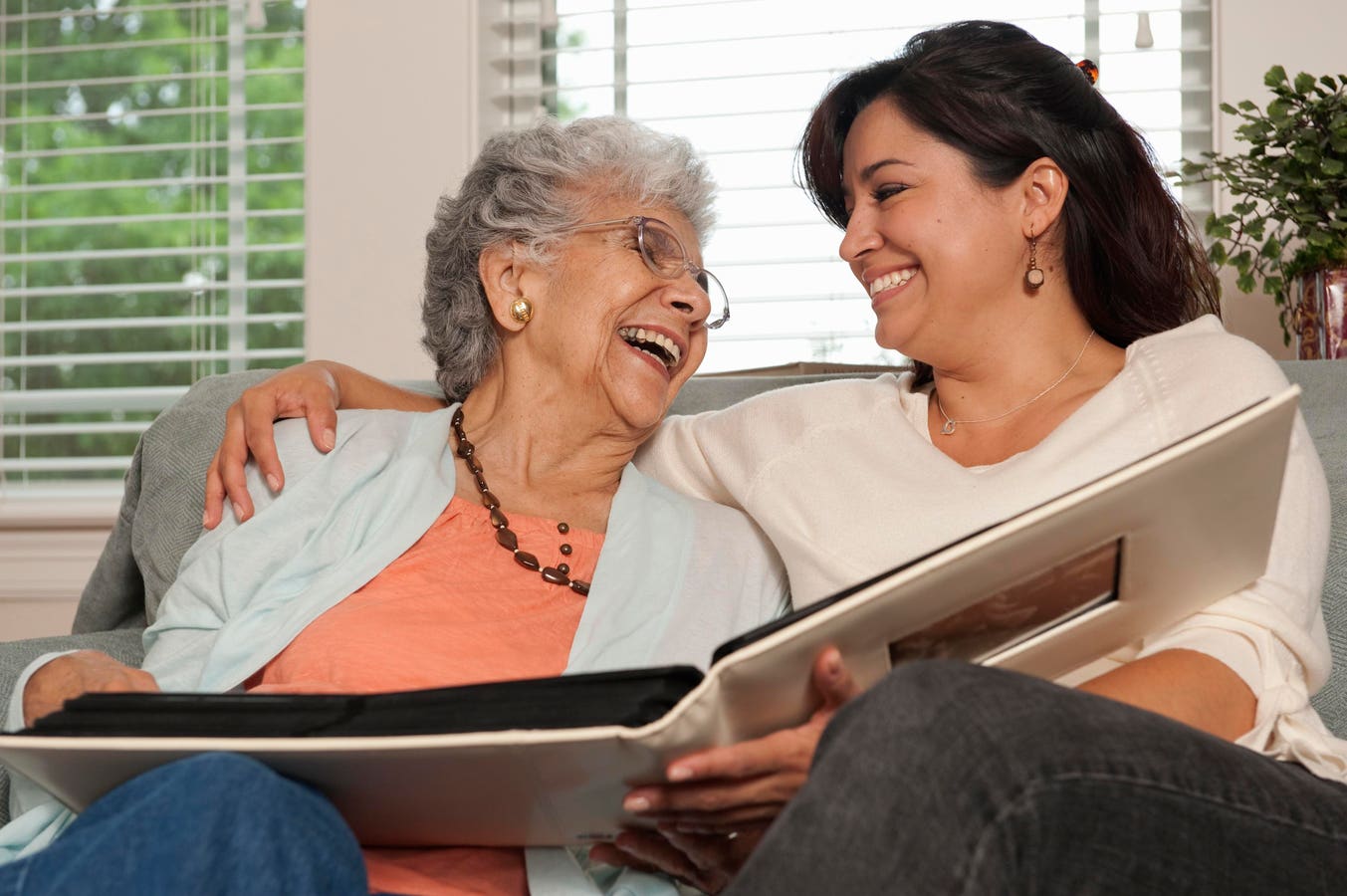
Welcome to November, National Family Caregivers Month, one of those Hallmark Card-like designations that politicians grant when they can’t, or won’t, actually act to help people. But instead of getting frustrated over what Congress isn’t doing, it seems like a good opportunity to think about what support those family members need.
Many groups have surveyed family caregivers over the years but a new one commissioned by the Commonwealth Fund is especially instructive. It provides some up-to-date information on what these family members do, why they do it, the burden it places on them, and how they can get critical help.
There are somewhere between 30 million and 50 million family members caring for older adults in the US., depending on how you define family caregiver. Commonwealth settles on 42 million. The largest group are women in their 50s caring for parents, but men are a growing share, and so are young children who care for parents, grandparents, or siblings.
How Caregivers Feel
To learn more about them, Commonwealth ran six focus groups and, last March, surveyed 1,000 people caring for family members or friends living at home.
Sixty-two percent said they supported family members because they wanted to, almost twice the share who said it was because it was expected of them.
Two thirds reported they were overwhelmed, anxious, or depressed. Half said they faced financial burdens as a result of their caregiving. More than half said they didn’t know where to go for help and a similar number said they worried about making a mistake when providing care. More than 40% said their caregiving caused them physical pain.
What Do They Do?
What do these caregivers do? Like many surveys, this one found that they most commonly provided rides to the doctor and helped with shopping, preparing meals, or managing finances.
But half said they organized a loved one’s care, a third said they provided wound care (such as changing bandages), and between 25% and 30% said they helped bath, dress, feed, and transfer family members (from, say, a bed to a chair).
The caregivers in this survey said they need help but there was little consensus on what kind. Nearly three-quarters wanted paid assistance at home. But with shortages of direct care workers and their high costs, this assistance is likely out of reach for many.
More than 70 % of family members surveyed said they also need social supports such as transportation, housing, and food assistance (likely including home food delivery programs such as Meals on Wheels).
More than two-thirds pointed to home modifications (such a wheelchair ramps). Other much-needed supports included in-home respite care, medical equipment, non-medical transportation, and adult day programs.
Limited Benefits
In some states, Medicaid pays for some of these services for people who are very poor. Medicare Advantage managed care plans may provide limited services for their members. And for the first time, traditional Medicare may also begin providing some caregiver training and care navigation. But many middle-income households have no source of help.
Nearly eight in 10 need help navigating the health care system and two-thirds specifically are looking for care coordination. Nearly that many say that want to be more involved in care planning, likely because they feel left out now. Around 60% say they need medical or caregiver training, or both.
More than half wou ld like mental health care or to participate in support groups.
Policy Changes
When it comes to policy changes, the caregivers surveyed suggested a wide range of relatively modest reforms. There was no broad consensus for any of them but 20% to 30% favored ideas such as financial compensation for family caregivers, help paying for aides, or reimbursement for out-of-pocket costs.
Some states, including California, will pay family members of Medicaid recipients for caregiving. But many states have no such programs. And there is no comparable public funding for families of people not on Medicaid.
Those surveyed also urged policymakers to provide government help navigating the care system or making available social supports such as transportation, housing, and nutrition.
Those requests are striking because all of this assistance already is available, at least theoretically. The government spends billions of dollars on information services, Meals on Wheels, and senior transportation, and it subsidizes developers for building low-income senior housing.
But this survey suggests that caregivers either don’t know about these programs or existing supports are insufficient or ineffective.
We know, for example, that many communities have long waiting lists for meals delivery programs and subsidized housing.
Area Agencies on Aging are not well known and many provide incomplete guidance. There may be better ways to distribute information to frail older adults and their family members. But they have to be implemented.
In today’s political environment, proclamations seem pointless. They may help politicians feel better but they won’t improve the lives of frail older adults and the family members who care for them.
Read the full article here