

Entrepreneur
Key Takeaways
- PropTech’s next growth wave isn’t urban — it’s suburban property managers finally getting software built for them.
- Residential real estate dominates PropTech revenue, yet suburbs remain underserved by scalable, practical technology.
For more than a decade, PropTech conversations seemed glued to the same map. New York, San Francisco and a handful of dense metropolitan hubs dominated the narrative because large buildings and consolidated portfolios made technology easy to scale.
Back then, investors were drawn to dense areas, and software followed suit. For instance, commercial properties held a large portion of the PropTech market share in 2024, reflecting their early demand for integrated analytics.
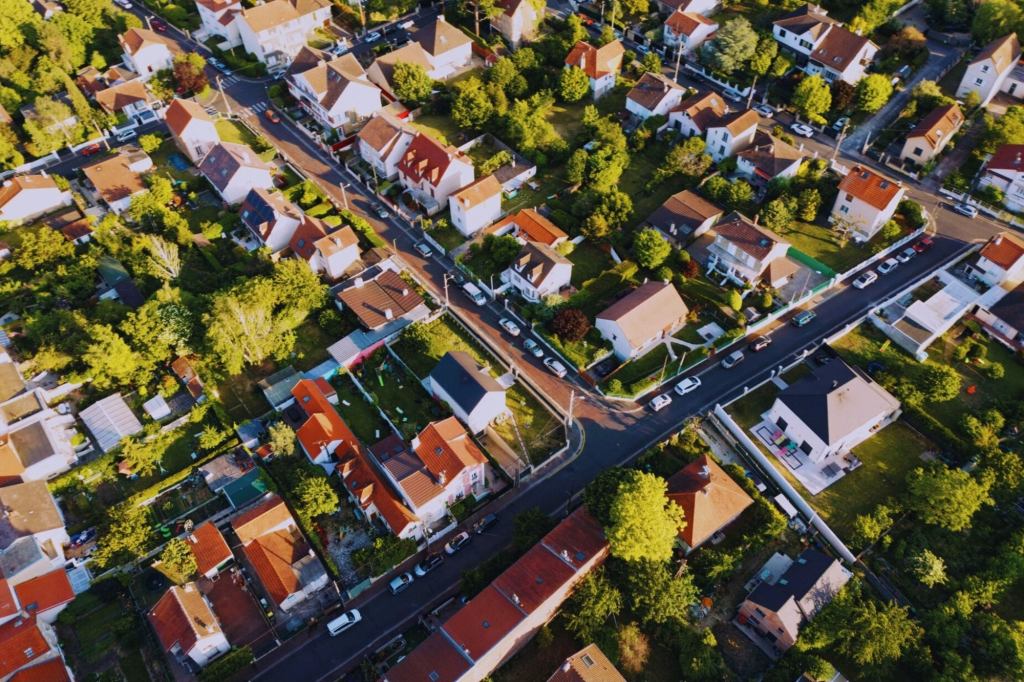
But that focus left out the largest portion of the housing economy. The real backbone of American real estate sits in suburbs and smaller cities, where most property managers still rely on outdated systems or manual work.
The inefficiencies in those markets have quietly accumulated, creating a massive opportunity. Depending on where you draw the operational boundaries, it reaches nearly $200 billion.
Hard numbers underscore this potential. The US PropTech market is projected to reach about $40.2 billion by 2030. Crucially, the residential segment makes up more than 57% of all US PropTech revenue, with 57.64% coming from this segment in 2022.
If the US PropTech market’s early phase solved problems for enterprise teams in high-rise buildings, the next phase will revolve around practical PropTech software development for the residential majority outside major urban centers.
Why suburbs are the true majority
This dominance indicates the existence of a core disconnect within the industry. Despite being the clear majority revenue driver, the residential segment has historically received the least tailored technology.
Early US PropTech systems were structured for large commercial teams, featuring complex dashboards, long, costly implementation processes and operational centralization that suburban property managers lack.
These managers frequently oversee dozens of properties dispersed throughout several neighborhoods instead of managing a single vertical complex. This disconnect has created a significant gap in the industry and paved the way for significant growth in suburban real estate technology.
The digital divide slowing PropTech adoption
The reality of suburban real estate tech becomes clear when you look at how property managers in secondary markets still rely on spreadsheets, email threads and older tools that don’t integrate with accounting platforms or financial reporting systems.
Maintenance takes longer. Tenant communication becomes fragmented. Owners receive delayed or inconsistent financial updates. Growth stalls not because of a lack of demand, but because the systems behind the operation can’t scale.
This is the root cause behind slower PropTech adoption in the USA in non-urban portfolios. The issue isn’t resistance to technology; it’s the lack of technology that matches their daily reality.
Most suburban property managers don’t need enterprise-level feature depth. They want straightforward systems that centralize the basics and provide them with clarity.
When technology aligns with that need, adoption rises naturally.
Related: This Technology Is Set to Transform the Real Estate Industry — Here’s How Entrepreneurs Can Capitalize on It
How SaaS property tools open the next frontier
SaaS property platforms have reshaped what’s possible for suburban operators. Cloud-based systems directly address the hurdles that once kept smaller teams from upgrading their workflows.
1. Lower upfront costs. Older software models required heavy licensing or implementation fees. SaaS turns those costs into a manageable subscription, which makes adoption more realistic for smaller portfolios.
2. Access from anywhere. Suburban portfolios are rarely centralized. Property managers move between different neighborhoods or towns. Cloud systems allow managers to handle payments, leases, communication and maintenance from any location.
3. Simple onboarding and integration. Modern SaaS property tools are intuitive, reducing the need for training sessions or long, costly integrations.
These advantages make SaaS the natural bridge between suburban workflows and modern expectations. They give operators the consistency and control that used to be limited to enterprise teams in large metro markets.
The path to smarter suburbs and small cities
People often associate “smart cities” with futuristic infrastructure or government-led initiatives, yet significant progress typically begins within the property itself.
Today’s PropTech tools support IoT sensors, AI workflows and data-driven maintenance systems, helping property managers run portfolios with greater foresight.
A sensor can detect a failing HVAC component before a tenant complains. Automated communication systems provide instant responses for common questions. Energy monitoring tools cut waste and reduce operating costs.
These upgrades happen property by property, but they scale quickly when adopted across entire portfolios. That is how suburbs and small cities evolve into smarter communities. They need accessible technology that improves everyday operations.
This expands what smart cities US can mean: practical, incremental improvements that make properties easier to manage and more comfortable to live in.
Related: Real Estate Is a Valuable Asset — and This Tech Will Make It More Accessible
The residential shift has already begun
The greatest opportunity in the US PropTech market is not inside the high-rise clusters already full of modern systems. It lies in the suburban and small-city portfolios that represent most of American housing and still lack tools designed for their needs.
Companies that deliver simple, scalable SaaS solutions for this residential majority will capture the largest share of the $200B potential. For owners and operators, adopting these tools affects far more than convenience.
It influences margins, tenant retention, scalability and long-term competitiveness. Based on my experience in technology operations, I believe the shift is clear: The next generation of PropTech won’t come from enterprise platforms built for urban density.
It will emerge from technology that finally serves the real center of gravity in American real estate.
Key Takeaways
- PropTech’s next growth wave isn’t urban — it’s suburban property managers finally getting software built for them.
- Residential real estate dominates PropTech revenue, yet suburbs remain underserved by scalable, practical technology.
For more than a decade, PropTech conversations seemed glued to the same map. New York, San Francisco and a handful of dense metropolitan hubs dominated the narrative because large buildings and consolidated portfolios made technology easy to scale.
Back then, investors were drawn to dense areas, and software followed suit. For instance, commercial properties held a large portion of the PropTech market share in 2024, reflecting their early demand for integrated analytics.
But that focus left out the largest portion of the housing economy. The real backbone of American real estate sits in suburbs and smaller cities, where most property managers still rely on outdated systems or manual work.
Read the full article here