


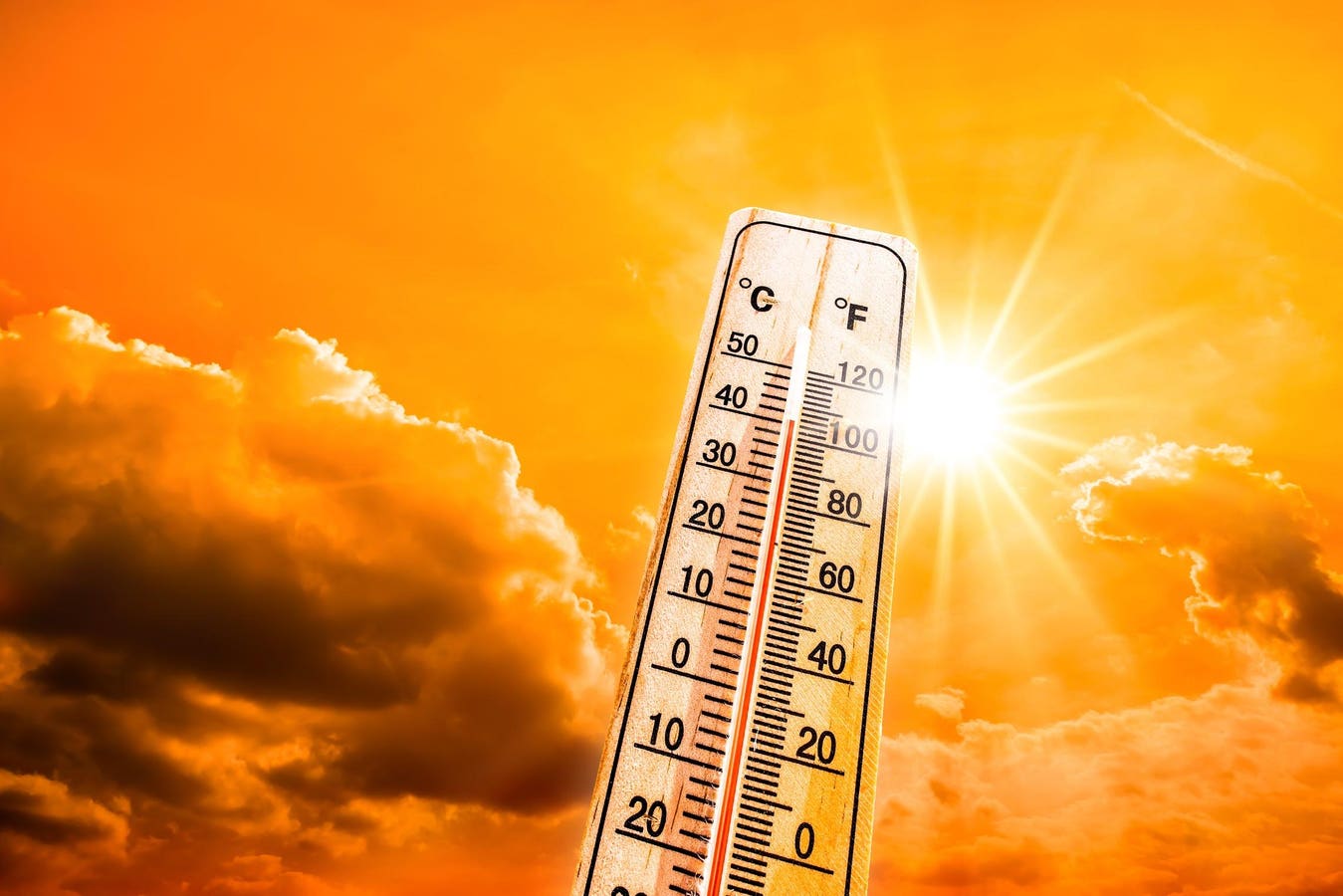
June 22 marked the start of summer, but in the Northeast, it felt less like a solstice and more like a furnace. Cities from St. Louis to Boston reported heat indices above 105°F. New York’s governor declared a state of emergency. Cooling centers opened. Outdoor sporting events paused for player safety. In Massachusetts, playgrounds emptied by noon. And across the country, over 190 million Americans were under heat alerts.
This wasn’t just a hot summer weekend. A heat dome—a stagnant, high-pressure system—parked over the eastern United States, locking in humidity and dangerously high temperatures. These aren’t outlier events anymore. They’re part of a new normal that retirees—and those planning for retirement—can’t ignore. Extreme weather is no longer a seasonal event—it’s a retirement risk.
Retirement planning has traditionally focused on predictable variables, including savings, Social Security, health insurance, and even the range of possible market fluctuations. But a new and unpredictable variable is emerging: the weather. And not just whether it rains on your pickleball game—but whether where you have chosen to live is a healthy choice in older age. Your zip code in retirement may matter more than your portfolio, compelling many of us to ask, ‘What’s your retirement weather forecast?’
Retiring Into the Heat
Despite record-breaking temperatures, retirees are still moving—or staying put—in America’s hottest and most weather-vulnerable regions. Florida remains the #1 retirement destination. Arizona, Texas, the Carolinas, and parts of Nevada continue to grow their retiree populations. Meanwhile, even in regions prone to hurricanes, floods, and wildfires, older adults are overwhelmingly choosing to age-in-place.
Why? Well, there’s a clear reason many people choose to live in weather-vulnerable areas: these regions are often simply beautiful. Additionally, many retirees are attached to their homes, communities, or preferred climate. Others don’t move because it’s too expensive, too complicated, or too emotionally demanding. According to a study published in Science Advances, older adults are increasingly concentrated in counties that are most vulnerable to extreme heat. Boston University researchers, publishing in the journal Nature, estimate that nearly one in four (23%) people over 69 years old worldwide will live where the daily maximum temperature exceeds 99.5 degrees, compared to 14% today.
In other words, older adults are either aging-in-place or retiring into places that are becoming dramatically more challenging to their health and safety.
Extreme Weather and the Vulnerabilities of Older Age
Heat, in particular, is not just uncomfortable. For older adults, it can be lethal.
People over the age of 65 account for the majority of heat-related deaths in the United States. As we age, our ability to regulate body temperature declines. Many older adults are also managing chronic conditions—like heart disease or diabetes—that are worsened by heat. Medications common in later life, such as diuretics and beta-blockers, can impair sweating and hydration. Combine that with reduced mobility, social isolation, or a reluctance to use air conditioning for cost reasons, and extreme heat becomes a public health crisis.
But it’s not just heat.
Hurricanes and floods disproportionately affect those with mobility impairments or without evacuation support from family, friends, or community services.
Wildfires pose respiratory risks that escalate with age.
Power outages—increasingly common after storms—can be catastrophic for those reliant on home oxygen, refrigerated medications, or powered mobility devices.
Disasters disrupt more than comfort—they undermine independence, threaten health, and challenge the systems retirees rely on to age safely at home.
3 Ways To Factor Weather Into Your Retirement And Longevity Planning
Traditionally, retirement planning often involved downsizing, relocating to a warmer climate, or staying in the family home. Weather rarely entered the conversation beyond “I want to escape the snow.” We now need to evaluate places not just by temperature or taxes, but by resilience.
Here are three ways to begin factoring the weather into your retirement and longevity planning:
1. Think Climate Resilience, Not Just Climate Comfort
Warm winters may feel good, but they increasingly come with a cost. States like Florida, Texas, and Arizona are seeing rising insurance premiums due to flood, fire, and storm risk. California, once a haven for retirees, now experiences rolling blackouts and skyrocketing home insurance rates in wildfire zones.
When choosing where to live in retirement, ask:
- Is this area experiencing more frequent extreme weather events?
- How strong are local emergency response systems?
- What’s the long-term outlook for utilities, infrastructure, and insurance costs?
2. Evaluate Your Home as a Safe Health Haven
The home has evolved from shelter to service platform. In retirement, your home must also be your healthy climate bunker.
Ask yourself:
- Can your home stay cool in extreme heat without racking up huge bills? What are the annual insurance and protection costs of preparing your home for hurricane season?
- Do you have backup power if an outage occurs?
- Are there shaded walkways, cooling centers, or transportation services nearby?
- Is your neighborhood prone to flooding or inaccessible during a storm?
3. Integrate Weather into Your Longevity Planning Conversations
Most retirees meet with a lawyer, financial advisor, or estate planner. Fewer meet with an HVAC specialist. While we don’t expect anyone to consult with a meteorologist, it’s time to broaden the conversation to identify local services that may be needed in a climate emergency. These include identifying the degree of readiness of first responders to address the often unique and complex needs of older adults, the capacity of local hospitals to address multiple health conditions in an emergency, the availability of shelter facilities with health support and able to accept pets, and ease of access to evacuation routes and transportation alternatives.
Consider the following:
- Do you have a relocation contingency plan in case of disaster?
- Who would check in if a weather emergency struck and you couldn’t leave the house?
- Are emergency contacts and health info up to date and accessible?
And yes, ask your doctor: How do the health conditions you are managing, along with the medications you are taking, interact with extreme heat or dehydration? It’s not a niche question—it’s a potentially life-saving one.
Weather: A New Variable in Retirement Planning
We don’t think twice about including inflation in our financial projections or factoring in potential healthcare costs. Weather introduces a significant cost of living variable as well as critical health and safety considerations.
The heat dome over the United States is a metaphor made real. It presses down on our infrastructure, our healthcare system, and those most vulnerable. However, it also presses down on an outdated vision of retirement—one that still views weather as only an amenity rather than a potential risk to budgets and well-being.
The next time you review your retirement plan, or help someone else think about plans for life after work, don’t just ask about income or investments.
Ask: What will your retirement weather be like in 10 years? And will I still want to live there when it arrives?
Read the full article here