



You don’t have to blow money on luxury vacations or splurge on designer bags to feel the weight of a shrinking bank account. Sometimes, the real financial slow bleed happens in the most ordinary ways—through everyday purchases that seem harmless on their own but quietly chip away at your budget like a slow leak you don’t notice until the floor’s already warped.
These aren’t the kinds of expenses you brag about or even think twice about. They’re the little swipes, subscriptions, and habits that slip under your radar because they’ve been normalized. But when you add them up, they can do just as much damage as the big-ticket items you avoid. Let’s take a closer look at the sneaky everyday purchases that might be costing you more than you think, financially and mentally.
Coffee Runs That Turn Into Daily Rituals
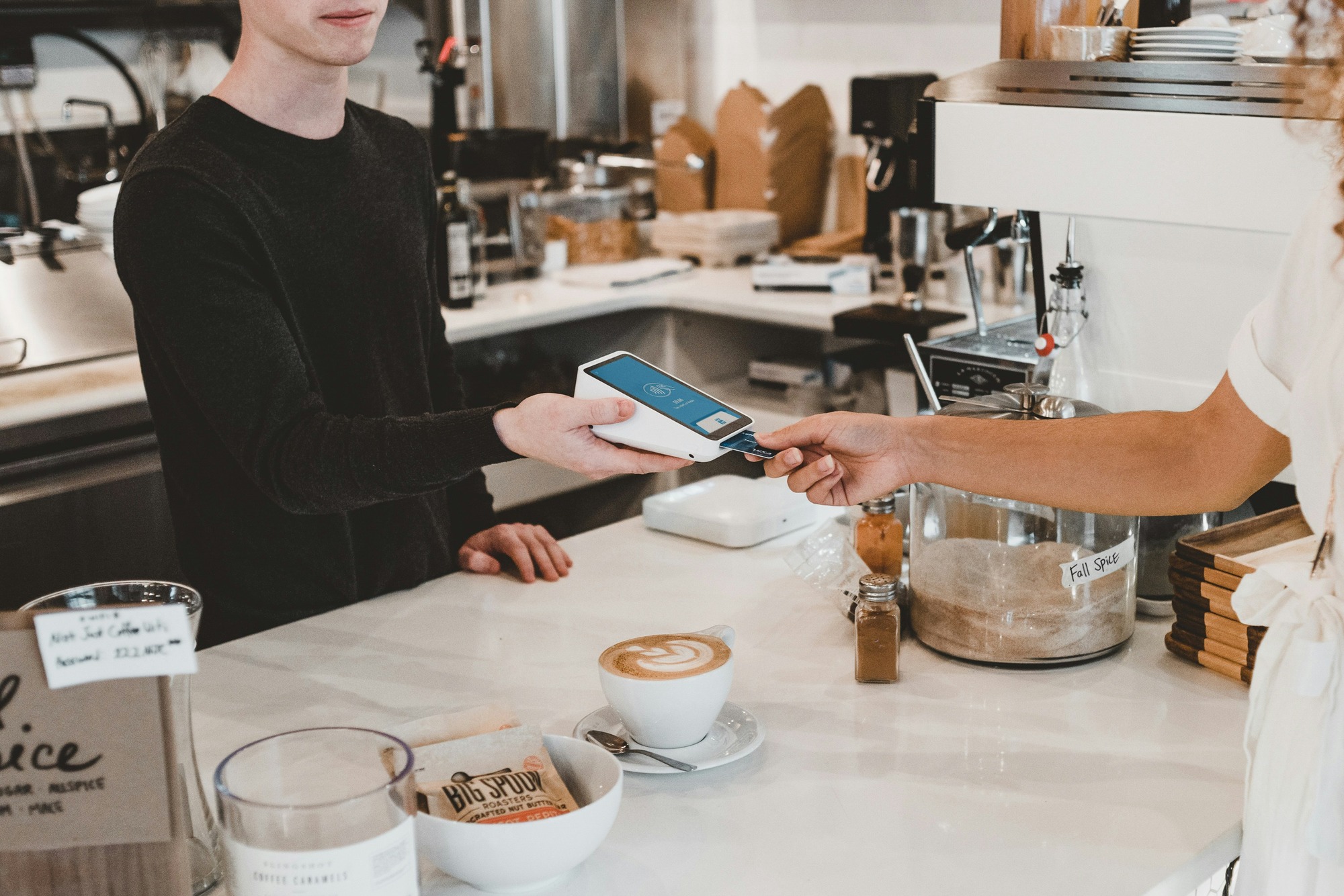
We all know this one, but it’s worth revisiting. Not because coffee is evil, but because it can easily become a ritual. That $6 oat milk latte doesn’t feel like a big deal in the moment. And it isn’t…until it becomes part of your daily routine. Suddenly, you’re spending over $100 a month on caffeine. That’s not judgment, that’s just math. The truth is, the coffee isn’t the problem. The automation of the purchase is. When something becomes a habit instead of a conscious choice, it’s easy to forget the cost altogether.
Subscriptions You Forgot You Had
Streaming services, cloud storage, fitness apps, meal kits—there’s a subscription for everything these days. And they’re often so inexpensive that you don’t notice them in isolation. The problem is, they stack up. One turns into four, then six, and before you know it, you’re spending more on auto-renewals than groceries. Companies bank on you forgetting to cancel, and many of us oblige. If you haven’t gone through your monthly charges lately, you might be surprised to find you’re paying for things you haven’t used in months.
Takeout “Just This Once”
We all deserve a break from cooking. But ordering out “just this once” turns into three times a week real fast. Between delivery fees, tips, and upcharges, that $12 pad Thai ends up closer to $25. And it’s not that takeout is wrong. It’s that it often fills the space where simple, cheaper meals could have gone with just a little more planning. The convenience is tempting, especially after a long day, but the financial trade-off builds up more quickly than most people realize.
Gas Station and Convenience Store Stops
You pull in to grab gas and suddenly you’re walking out with a soda, a snack, and maybe even a lottery ticket. Or you’re grabbing something at the corner store because it’s faster than going to a grocery store. These impulse buys are small but frequent, and their cost-to-value ratio is usually terrible. You’re paying for convenience, which is fine, until it becomes routine. Once again, it’s not the act itself, but the repetition that adds up over time.
“Small” Online Orders
Free shipping with a $35 minimum. A flash sale on an item you didn’t know you needed. Online shopping makes it easy to spend without even leaving the couch, and the “add to cart” dopamine hit feels deceptively good. What makes it especially dangerous is the illusion that you’re saving money because of discounts. In reality, you’re often spending more on things you didn’t plan for and could probably live without. The occasional impulse buy is harmless. But when your doorstep is a revolving door of Amazon boxes, your budget starts to reflect it.
Name-Brand Everything
There are some products where brand loyalty makes sense. Quality matters, and you get what you pay for. But that isn’t always the case. From pantry staples to cleaning supplies, many generic or store-brand products are nearly identical in function to their name-brand counterparts. Choosing a name simply because it’s familiar can end up costing you significantly more over time, often without a noticeable difference in quality.
In-App Purchases and Microtransactions
Games and apps are designed to keep you engaged and spending. Whether it’s an extra life in a mobile game, a new filter, or access to premium features, these small charges often feel insignificant. But they rely on volume. A few dollars here and there doesn’t seem like much until you check your monthly statement and realize how quickly they snowball. These purchases are often driven by emotions, such as boredom, impatience, or a desire for instant gratification, making them even harder to track until it’s too late.
Grocery Store Extras You Didn’t Plan For
You went in for bread and eggs. You walked out with kombucha, gourmet cheese, and a candle you didn’t know you needed. Sound familiar? Grocery stores are experts at tempting you with strategically placed, visually appealing extras. It’s not just about hunger-fueled decisions. It’s about distraction, impulse, and reward. And while buying little luxuries isn’t inherently bad, doing so consistently without awareness will quietly push your grocery bill and your budget into the red.
Are These Really the Problem?
None of these purchases are inherently bad. You don’t need to feel guilty for grabbing a latte or ordering takeout after a rough week. But financial health isn’t just about big decisions. It’s shaped by everyday habits. The key is awareness. Once you start noticing the patterns, you can make conscious choices that align with your goals, rather than slipping into autopilot.
Because budgets don’t usually break all at once, they erode slowly, while you’re looking the other way.
Have you ever reviewed your bank statement and been shocked by how much you spent on the “little stuff”? What sneaky purchase drains your budget the most?
Read More:
Why Budgeting Feels Like Punishment—And How to Make It Feel Empowering
You’re Not Broke—You’re Budget-Blind: The Money Mistakes You Don’t Realize You’re Making
Read the full article here