


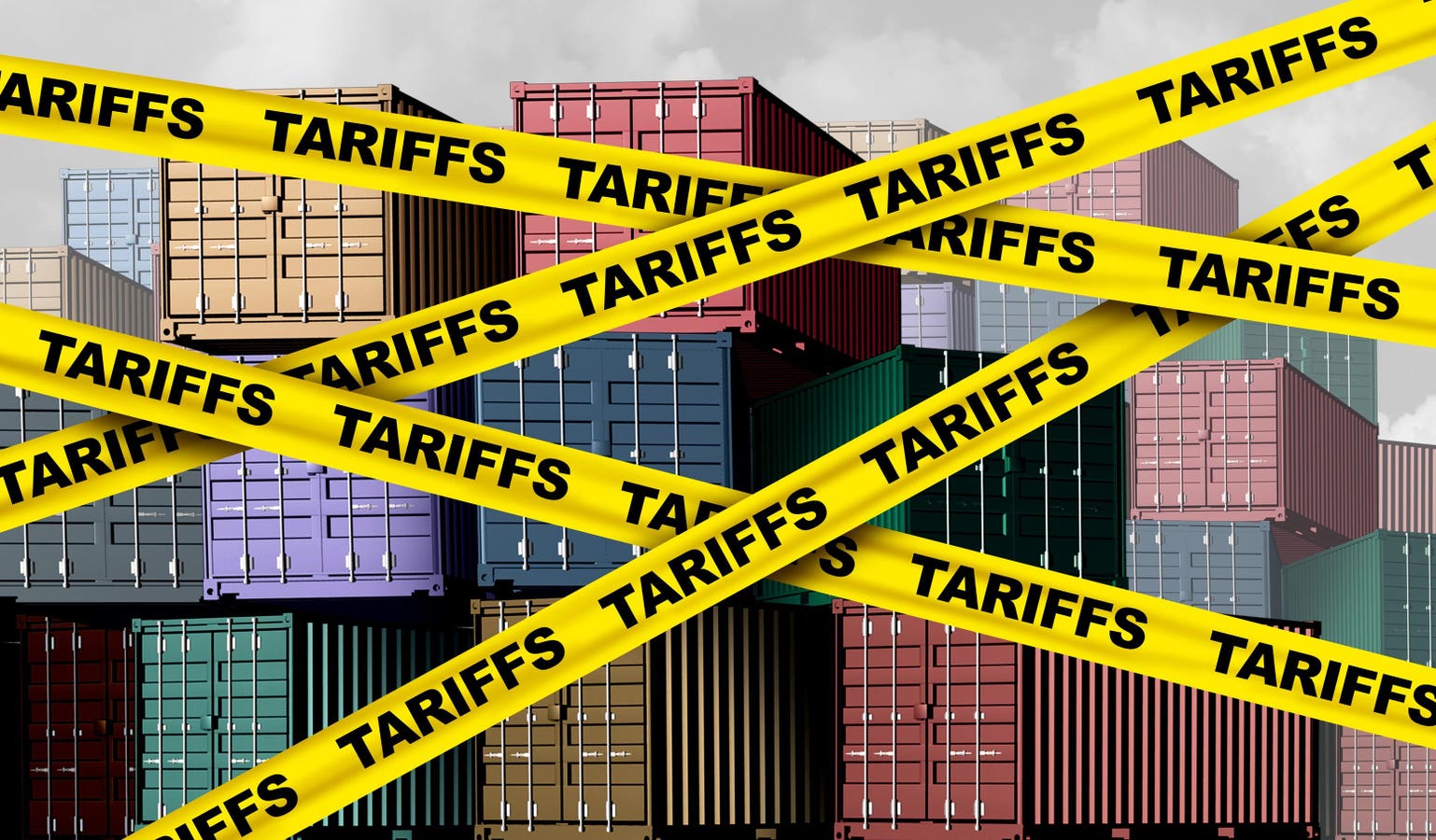
Tariffs are front and center in the news and on the mind of many investors. Since most folks are neither experts in international trade nor economic historians, it’s worth giving a bit of background on tariffs, how they may impact your nest egg, and what investors should do at this juncture.
Historically, tariffs that were used as a long-term strategy were not good for the economy or the market. For context, the Smoot-Hawley Tariff Act of 1930, signed into law by President Herbert Hoover, raised tariffs on imported goods in order to protect American businesses and farmers. The act increased tariffs by an average of 40–60%, which led to a decline in global trade of 65%. The fact that it was more expensive to sell goods from foreign countries caused many countries to stop shipping their products to the United States. The ramifications of this act contributed to the worsening of the Great Depression.
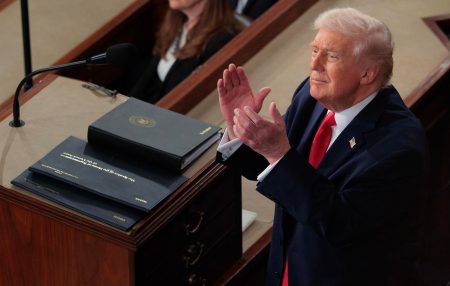
Before readers panic, my hunch and strong belief is that President Trump is using tariffs as a short-term tool to get more favorable trading terms with other countries who, to quote him, “have been ripping us off!” If tariffs are indeed a short-term tool, then investors should consider “buying the dip” in this market. They can thank President Trump for putting the U.S. on better financial footing from a trade perspective, and also for causing the market to trade at a discount from where it was just a few weeks earlier allowing folks to buy investments at a discounted price.
On the other hand, if these tariffs are imposed for the long term, it may cause a problematic environment because trade will go down, products will become more expensive, and the market will be choppy.
In more recent history, when the first round of tariffs was introduced in 2018, the impact was so modest that most businesses and individuals did not notice a difference. It’s unclear what will happen this time around.
The S&P 500 is currently down for the year. Though, in my opinion, tariffs are not actually the big concern of the market. The S&P 500 is heavily weighted towards the “Magnificent 7” stocks, which has pushed the index to be heavily weighted in technology. For reference, the technology heavy NASDAQ has dropped over 9% this year despite nearly two decades of phenomenal performance. A significant drop in technology stocks could potentially impact the markets far more than tariffs.
Interestingly, despite all the tariff talk, there has been strong performance for non-US Developed Markets. In fact, year-to-date, international markets are up approximately 9%. Additionally, bonds are up 3%, which has provided stability amid volatile stock performance.
Given that context, below are some takeaways for retirees to keep in mind during these turbulent times:
Maintain a generous cash cushion: I advise all retirees to maintain a substantial emergency fund. The first reason is due to the sequence of returns risk, which is the risk that poor investment returns happen when you need money, like during retirement. If you have a meaningful cash balance, you won’t need to withdraw funds during down markets, mitigating the risk of depleting your nest egg sooner than expected.
The second, and equally important, reason to maintain a significant cash cushion as a retiree is to help you afford the potential increases in the prices of goods. If tariffs have an adverse consequence on prices, maintaining an adequate cash position will help you sleep at night knowing that you can still afford to buy necessities.
Having an adequate emergency fund enables you to better weather the increase in market volatility and prices.
Global diversification: The aforementioned performance numbers of international equities and high-quality bonds are precisely why all investors should embrace a philosophy of global diversification. Maintaining exposure to both international stocks and high-quality fixed income will help retirees weather market volatility by mitigating the risk of being concentrated in one area of the market.
For the past 15 years, many have flocked to invest in the U.S. markets given its strong performance. While it would be silly for anyone to bet against the long-term performance of American stocks, there will be dry spells that can be long and deep.
Having an adequately diversified portfolio will allow you to sail through the current volatility relatively unscathed.
Avoid a short-term focus: There is a natural human tendency to make impulsive decisions based on the latest news headlines or market gyrations. This is the wrong approach. Market dynamics and news headlines will change from one day to the next. Making major decisions based on a few weeks or months of data can be financially devastating.
Instead, I advise all investors to take a step back and breathe. It behooves folks to wait and see how things play out before stressing over something that may not be relevant within a few months.
Despite the nerve racking headlines today, certain advice is timeless and will never change. Namely, the market will come back, today’s news likely won’t be top of mind a year from now, and staying invested over the long-term will pay off exponentially.
We will get through these turbulent markets…we always do!
Securities offered through Kestra Investment Services, LLC (Kestra IS), member FINRA/SIPC. Investment Advisory Services offered through Kestra Advisory Services, LLC (Kestra AS), an affiliate of Kestra IS. ParkBridge Wealth Management is not affiliated with Kestra IS or Kestra AS. Investor Disclosures: https://www.kestrafinancial.com/disclosures.
Read the full article here