


• Home
  • News
  • Personal Finance
    • Savings
    • Banking
    • Mortgage
    • Retirement
    • Taxes
    • Wealth
  • Make Money
  • Budgeting
  • Burrow
  • Investing
  • Credit Cards
  • Loans

Subscribe to Updates

Get the latest finance news and updates directly to your inbox.

Top News

Secure Your Data Forever With Future-Proof Cloud Storage for $280

December 19, 2025

Why Using Your Home Address for Your Business Can Be a Costly Mistake

December 19, 2025

Restaurant Franchisees Predict 2026 Will Be ‘Year of Stability’

December 19, 2025
Facebook Twitter Instagram
Trending
  • Secure Your Data Forever With Future-Proof Cloud Storage for $280
  • Why Using Your Home Address for Your Business Can Be a Costly Mistake
  • Restaurant Franchisees Predict 2026 Will Be ‘Year of Stability’
  • Car Insurers Are Charging Single and Divorced People More. Is This Fair? Here’s What to Do Either Way.
  • Why Boring Bond ETFs Are the Surprise Portfolio Winner for 2026
  • Why Your Current Marketing Strategy Won’t Hold Up in 2026
  • How the Best Brands Boost Their Online Sales in Just 7 Steps
  • OpenAI Just Launched App Store for ChatGPT
Friday, December 19
Facebook Twitter Instagram
Micro Loan Nexus
Subscribe For Alerts
  • Home
  • News
  • Personal Finance
    • Savings
    • Banking
    • Mortgage
    • Retirement
    • Taxes
    • Wealth
  • Make Money
  • Budgeting
  • Burrow
  • Investing
  • Credit Cards
  • Loans
Micro Loan Nexus
Home » The Fed Can’t Manage Inflation Without Knowing Why It Happens
Personal Finance

The Fed Can’t Manage Inflation Without Knowing Why It Happens

News RoomBy News RoomOctober 30, 20230 Views0
Facebook Twitter Pinterest LinkedIn WhatsApp Reddit Email Tumblr Telegram

Someone pointed to an interesting 2017 paper written for the Hutchins Center on Fiscal & Monetary Policy at the Brookings Institution by Daniel Tarullo, former Federal Reserve Board governor and a professor of international financial regulatory practice at Harvard Law School.

Although not an expert in macroeconomics, during his time at the Fed, he learned a lot, with tutelage from then-Chair Ben Bernanke on Saturday mornings. Tarullo noted two issues he observed about how professionals at the Fed, and by extension many economists, work.

While the paper is six years old, the questions Tarullo brought up are still important and likely continue to affect how the institution works today while trying to manage monetary policy, which has a direct impact on everyone, large and small.

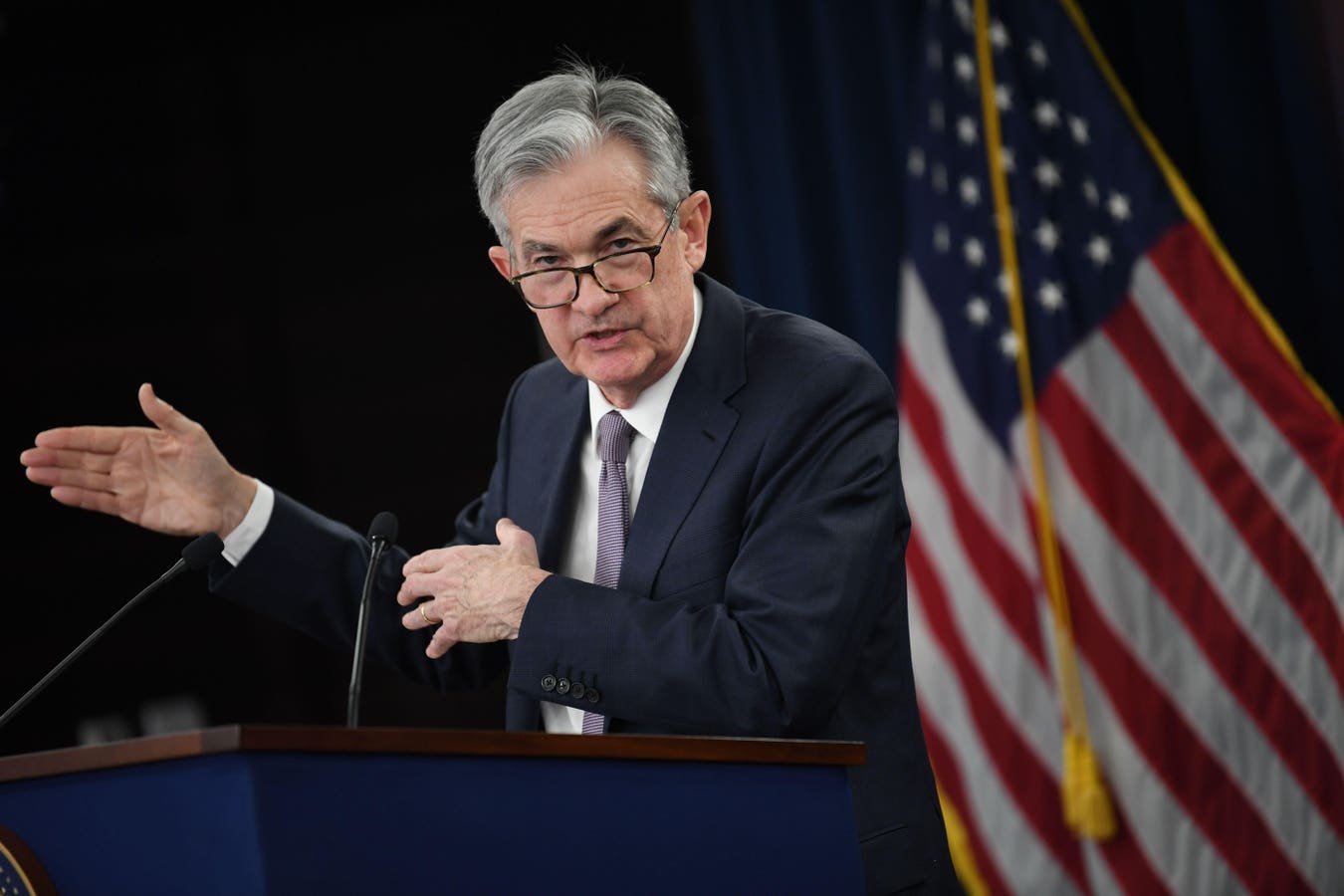
The first point is that while the Fed’s strategies are supposed to focus on two main metrics — “maximum employment” and “stable prices,” that is low unemployment and about 2% inflation — they effectively set policy by focusing on things they can’t see at the time.

The pandemic offers a strong example of this observation. When a large event hits the economy, employment and prices may be in a positive position. But the Fed has to estimate what the impact of the event on both will be in the near future. Some aspects are impossible to measure at the time because the data always lags. As Tarullo mentioned, productivity growth and personal savings rates are observable, in that they can be calculated. But there are likely mistakes inaccuracies in the data — and something he didn’t mention but would fit in, which is that the data always come out after the fact, so the basis of decisions are a month or maybe a quarter in the past. It’s like driving looking in the rearview mirror. You may have some hard data, but you’ve moved beyond that point in time, which doesn’t tell you whether a truck is now running a red light in heading into your path.

Then there are the factors that can’t be observed, such as potential GDP growth (growth the economy would if operating at a stable inflation rate and full employment) or what is called the “natural rate” of unemployment, meaning what is the level of unemployment that will result from economic forces.

Thinking of the pandemic that postdates the paper provides an obvious example. Look at how long the Fed insisted that rising inflation was only temporary, until the officials finally admitted that they had miscalculated and that they needed to raise interest rates so quickly that it caused all sort of problems, like the failure of multiple banks and shock waves through the commercial real estate market.

All that leads to his second point: “The sociological point is that many (though certainly not all) good monetary policymakers who were formally trained as such have an almost instinctual attachment to some of those problematic concepts and hard-to-estimate variables.”

This is clear when discussing concepts like the Phillips Curve, that supposedly correlates employment and inflation, but which has been of highly questionable value given how far off the expectations can be from reality. It’s an example of how economists will see something in often simplified data and then assume they have observed natural law.

Once introduced in professional and then academic circles, the sociological point, as one might take it, would mean these concepts become almost points of faith. Once introduced, they can keep in force for decades, whether they desire it or not.

The result is discordant, as the Fed tries to project an image of omniscience that shows cracks as most of the country feels ever less confident that anyone knows how to improve the economy so it works for them.

Read the full article here

Share. Facebook Twitter Pinterest LinkedIn Tumblr Email

Related Articles

Pain Power

Savings December 18, 2025

What Christmas Shows About Every Generation

Retirement December 11, 2025

Overlooked Strategies For Health And Longevity In Retirement

Retirement December 10, 2025

2025 Year-End Financial Checklist for Wealthy Investors

Retirement December 9, 2025

How Spouses, Ex-Partners, and Survivors Can Claim What They’re Owed

Retirement December 8, 2025

Fix Your Drug Plan by Dec. 7

Retirement December 7, 2025
Add A Comment

Leave A Reply Cancel Reply

Demo
Top News

Why Using Your Home Address for Your Business Can Be a Costly Mistake

December 19, 20252 Views

Restaurant Franchisees Predict 2026 Will Be ‘Year of Stability’

December 19, 20250 Views

Car Insurers Are Charging Single and Divorced People More. Is This Fair? Here’s What to Do Either Way.

December 19, 20251 Views

Why Boring Bond ETFs Are the Surprise Portfolio Winner for 2026

December 19, 20252 Views
Don't Miss

Why Your Current Marketing Strategy Won’t Hold Up in 2026

By News RoomDecember 18, 2025

Entrepreneur Key Takeaways Digital marketing is shifting from keywords to intent. People now discover brands…

How the Best Brands Boost Their Online Sales in Just 7 Steps

December 18, 2025

OpenAI Just Launched App Store for ChatGPT

December 18, 2025

NYC Viral Grocer Says Online Trolling Good for Business

December 18, 2025
About Us

Your number 1 source for the latest finance, making money, saving money and budgeting. follow us now to get the news that matters to you.

We're accepting new partnerships right now.

Email Us: [email protected]

Our Picks

Secure Your Data Forever With Future-Proof Cloud Storage for $280

December 19, 2025

Why Using Your Home Address for Your Business Can Be a Costly Mistake

December 19, 2025

Restaurant Franchisees Predict 2026 Will Be ‘Year of Stability’

December 19, 2025
Most Popular

3 Reasons I Hate Crypto — and 3 Reasons I Own It Anyway

December 17, 20254 Views

US Steel to explore strategic alternatives after unsolicited bids

August 13, 20234 Views

What Transitioning From Founder to CEO Taught Me About Leadership at Any Scale

December 17, 20253 Views
Facebook Twitter Instagram Pinterest Dribbble
  • Privacy Policy
  • Terms of use
  • Press Release
  • Advertise
  • Contact
© 2025 Micro Loan Nexus. All Rights Reserved.

Type above and press Enter to search. Press Esc to cancel.