




3 in 4 of Gen Z would rather have a better quality of life than have extra money in their banks, a report by Intuit shows.
Athima Tongloom | Moment | Getty Images
For most people, their goal is to work hard, save money and retire early. But a “soft saving” trend is emerging among younger workers, challenging the traditional way of thinking.
Soft saving refers to putting less money into the future, and using more of it for the present.
Generation Z — a generation that puts experiences before money — is leading the so-called soft saving wave, according to the Prosperity Index Study by Intuit. “Soft saving is the soft life’s answer to finances,” said the report.
A “soft life” is a lifestyle that embraces comfort and low stress, prioritizing personal growth and mental wellness.
“Younger generations value a balance between the traditional ‘hustle’ to save every single penny and using some of their extra income to enjoy life now.”
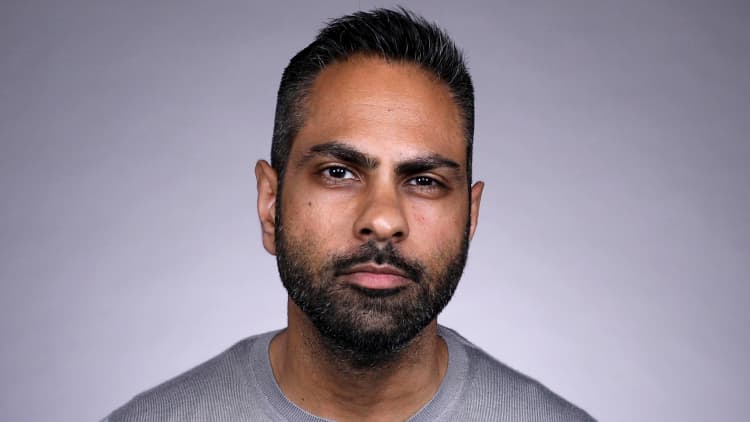
Ryan Viktorin
Vice President, Financial Consultant at Fidelity Investments
The report found the approach to investing and personal finance by Gen Z’s — those born after 1997 — to be “softer” than previous decades.
What does that mean? It means younger investors tend to put their money in causes that reflect their personal views.
They also seek emotional connection with brands and professionals they choose to engage with, Liz Koehler, head of advisor engagement for BlackRock’s U.S. Wealth Advisory business told CNBC.
Are people saving less?
Younger workers have a desire to break free from restrictive financial constraints.
Three in four Gen Z would rather have a better quality of life than extra money in their banks, the Intuit report shows.
In fact, personal saving rates among Americans today seem to mirror the soft savings trend.
According to the U.S. Bureau of Economic Analysis, Americans are saving less in 2023. The personal saving rate — the portion of disposable income one sets aside for savings — was significantly lower at 3.9% in August, compared to the 8.51% average in the past decade, according to data from Trading Economics which goes as far back as 1959.
One of the reasons for a drop in personal savings is the rebound from the Covid-19 pandemic, said Ryan Viktorin, vice president financial consultant at Fidelity Investments, a financial services corporation.
As Americans spent significantly lower during the pandemic in the last two to three years, people more are likely to spend a lot more now to make up for lost time, she told CNBC.
Additionally, inflation makes it harder for people to cover their expenses or save, Koehler said.
The decrease in personal saving rates also reflects a change in financial goals among workers today.
As younger people enter the workforce, they bring in new financial priorities and are more likely to embrace a “balance between the traditional ‘hustle’ to save every single penny and using some of their extra income to enjoy life now,” Viktorin said.
Retiring and savings
Retirement is the grand finale for most workers. However, more are concerned they may not be able to retire at all.
A report by Blackrock shows that in 2023, only 53% of workers believe they are on track to retire with the lifestyle they want. A lack of retirement income, worries over market volatility and high inflation were some of the reasons cited for a lack of confidence about retirement among workers.
“Spending money on things that truly make you happy is great … [but] people should satisfy their near-term needs and stay on-track with their long-term goals before spending freely.”
Andy Reed
Head of Investor Behavior at Vanguard
Younger workers also share the same sentiments, where two in three Gen Z are not sure if they will ever have enough money to retire.
However, this fear may not be that much of a concern for the younger generation, as most are actually looking to retire early — or to retire at all, the report by Intuit showed.
Additionally, the Transamerican Center for Retirement Studies found that almost half the working population either expects to work past the age of 65, or do not have plans to retire.
Traditionally, retiring entails leaving the workforce permanently. However, experts found that the very definition of retirement is also changing between generations.

About 41% of Gen Z and 44% of millennials — those who are currently between 27 and 42 years old — are significantly more likely to want to do some form of paid work during retirement.
That’s higher than the 31% of Gen X (those born between 1965 to 1980) and 21% of Baby Boomers (born between 1946 to 1964) surveyed, the report by the Transamerican Center for Retirement Studies showed.
This increasing preference for a lifelong income, could perhaps make the act of “retiring” obsolete.
Although younger workers don’t intend to stop working, there is still an effort to beef up their retirement savings.
Fidelity’s second quarter retirement analysis found that millennials and Gen Z’s are still major beneficiaries of the 401(k) saving plan, a retirement savings plan offered by American employers that has tax advantages for the saver.
The report revealed that in the second quarter of last year, the average 401(k) balances were up by double digits for Gen Z and millennials — Gen Z saw a 66% increase and millennials had 24.5% increase.
What are people spending more on?
Still, one question remains: where are people directing their money as they spend more and save less?
The study by Intuit found that millennials and Gen Z are more willing to spend on hobbies and make non-essential purchases compared to Gen X and boomers.
About 47% of millennials and 40% of Gen Z expressed a need to have money to pursue their passion or hobby, compared to only 32% of Gen X and 20% of boomers.
Experts highlighted travel and entertainment as some of the non-essential experiences the younger generation is prioritizing.
Andy Reed, head of investor behavior at investment management firm Vanguard, said Gen Z’s spending on entertainment increased to 4.4% in 2022, compared to 3.3% in 2019.
In addition, Americans are “re-focused” on post-pandemic travel, a possible reason why there is a decrease in personal saving rates, said Fidelity’s Viktorin.
“”Soft saving is the soft life’s answer to finances.”
Intuit
Prosperity Index Study
Although the younger generation is saving less, it doesn’t mean they are living paycheck to paycheck.
In fact, “Gen Z appear to be living within their means, and their increased spending seems to reflect rising costs of essentials more than a rising taste for luxury,” Reed noted.
“Spending money on things that truly make you happy is great … [but] people should satisfy their near-term needs and stay on-track with their long-term goals before spending freely,” he added.
Read the full article here


