


• Home
  • News
  • Personal Finance
    • Savings
    • Banking
    • Mortgage
    • Retirement
    • Taxes
    • Wealth
  • Make Money
  • Budgeting
  • Burrow
  • Investing
  • Credit Cards
  • Loans

Subscribe to Updates

Get the latest finance news and updates directly to your inbox.

Top News

Are Blue States Really Paying More for Electricity Than Red States? Here’s What the Data Says.

February 4, 2026

As a CPA, I Thought I Knew Social Security — Until I Retired. Here Are 5 Costly Blunders Even the Experts Make.

February 4, 2026

The Lithium Gold Rush Just Minted a $1B Unicorn

February 3, 2026
Facebook Twitter Instagram
Trending
  • Are Blue States Really Paying More for Electricity Than Red States? Here’s What the Data Says.
  • As a CPA, I Thought I Knew Social Security — Until I Retired. Here Are 5 Costly Blunders Even the Experts Make.
  • The Lithium Gold Rush Just Minted a $1B Unicorn
  • Crypto Builders Can’t Ignore This Crucial Component Anymore
  • Good Partners Make You Rich. Bad Partners Bankrupt You.
  • Revenue Growth Means Nothing If You Ignore This Key Metric
  • 5 Signs You’re Saving Too Much for Retirement
  • How to Get Your Cut of Amazon’s New $1 Billion Returns Settlement
Wednesday, February 4
Facebook Twitter Instagram
Micro Loan Nexus
Subscribe For Alerts
  • Home
  • News
  • Personal Finance
    • Savings
    • Banking
    • Mortgage
    • Retirement
    • Taxes
    • Wealth
  • Make Money
  • Budgeting
  • Burrow
  • Investing
  • Credit Cards
  • Loans
Micro Loan Nexus
Home » The Economic And Market Impacts Of A Government Shutdown
Wealth

The Economic And Market Impacts Of A Government Shutdown

News RoomBy News RoomSeptember 24, 20230 Views0
Facebook Twitter Pinterest LinkedIn WhatsApp Reddit Email Tumblr Telegram

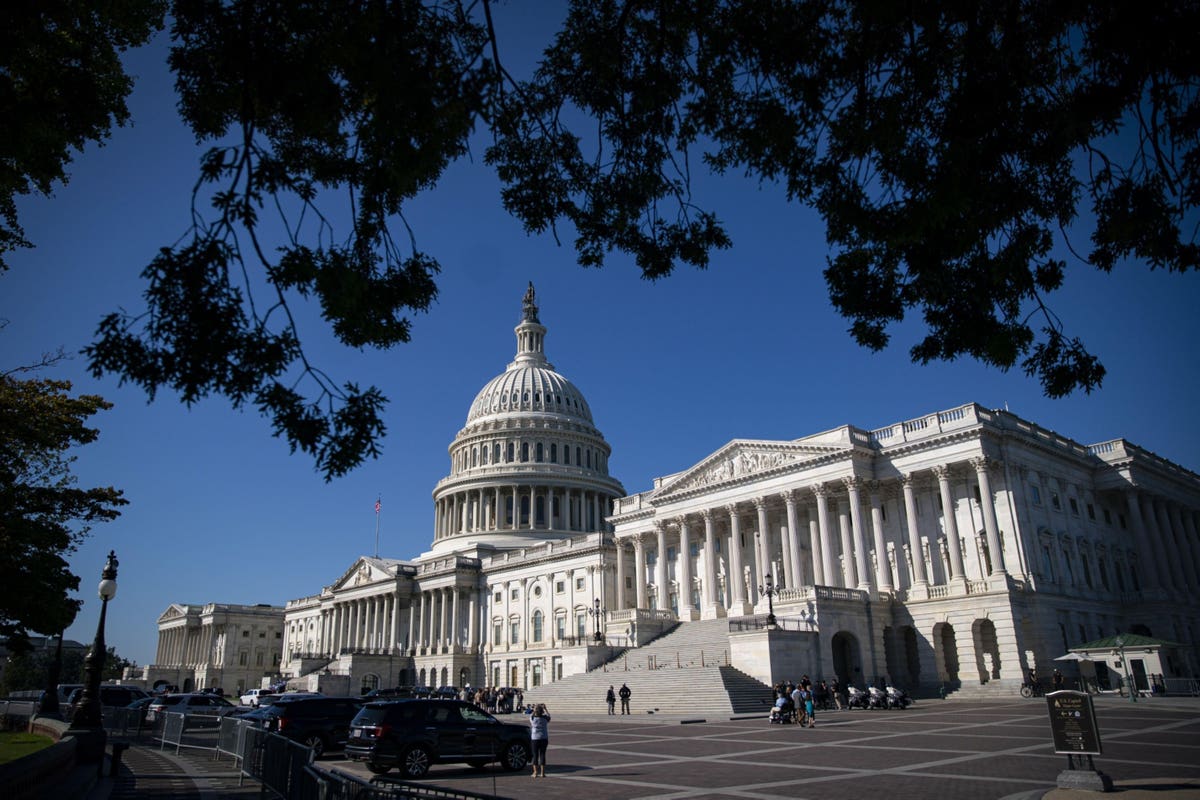
Barring significant dealmaking by the September 30 deadline, portions of the U.S. government will be shut down on October 1. While this shutdown could cause numerous disruptions, as detailed in this piece, it doesn’t rise to the level of a possible debt default by the United States, as seen during debt ceiling standoffs. While a government shutdown may still be averted via kicking the can down the road with a short-term continuing resolution or a bipartisan solution, the combination of time growing short and the political climate is conspiring to make a shutdown the most likely outcome.

The good news is that government shutdowns have typically been reasonably short, with an average of 8 days and a median of 4. The most recent lengthy shutdown in 2019 is slightly misleading because only 25% of the government was closed during this period. Pundits have argued that the current situation looks more like 2013 when the disagreement was about funding Obamacare. This year’s conflict seems to revolve primarily around border security and Ukraine funding.

As noted previously, interest on Treasuries is not impacted. In addition, Social Security payments will be made with no interruption. National security personnel and essential Federal employees must work but will not be paid. The White House determines which jobs are “essential,” and all non-essential government employees would be furloughed without pay.

In addition to possibly straining the household finances of government employees, some economic data collection would be suspended. A shutdown means the employment report, inflation readings like CPI, and GDP measurement could be impacted. The length of shutdown would determine if some of these reports are just delayed or skipped entirely. Since it is a private company, the ADP employment report is not impacted. In addition, economic releases from the Federal Reserve and the Department of Labor’s weekly unemployment claims would be produced without interruption. This financial data could prove crucial as the Federal Reserve wrestles with monetary policy with elevated inflation while trying to avoid recession.

While some political rhetoric has stated that a shutdown risks sending the country into an economic downturn, history does not support that conclusion. In the only two quarters with a decline in GDP accompanying a shutdown, the U.S. economy had already entered into a recession in the previous quarter. JPMorgan estimates that each week of government shutdown reduces GDP growth by 0.1 percentage point. Because federal employees receive retroactive salaries after the shutdown ends, any GDP growth lost is typically recouped.

According to Strategas, stocks have not been significantly impacted by government shutdowns in the past. In fact, it has been pretty much an even split between gains and losses for the S&P 500 during these periods, and the most significant move was a strong stock rally during 2019, the most protracted shutdown in our data set.

Despite the high likelihood of a government shutdown on October 1, the impact on the financial markets should be minimal. Because of the interruption of some government services and pay to government employees, shutdowns tend to be mercifully short. A government shutdown changes the timing of a relatively small amount of economic activity, so it doesn’t appreciably raise the risk of economic recession. The overall stock market is not likely to be impacted by a shutdown, while companies with considerable exposure to government spending could see a negative impact.

Read the full article here

Share. Facebook Twitter Pinterest LinkedIn Tumblr Email

Related Articles

Expecting Expenses To Decline In Retirement? They May Rise

Wealth November 30, 2023

Comparing Job Offers: Going Beyond Base Salary

Wealth November 28, 2023

Where Do You Stand? Compare Your Net Worth To The National Average

Wealth November 23, 2023

Investment Lessons From Your Thanksgiving Turkey

Wealth November 22, 2023

FinCEN’s New FAQ On Reporting Beneficial Owner Information

Wealth November 20, 2023

Meta, Alphabet, Disney: 3 Top Holdings Of This ETF Hitting New Highs

Wealth November 20, 2023
Add A Comment

Leave A Reply Cancel Reply

Demo
Top News

As a CPA, I Thought I Knew Social Security — Until I Retired. Here Are 5 Costly Blunders Even the Experts Make.

February 4, 20262 Views

The Lithium Gold Rush Just Minted a $1B Unicorn

February 3, 20262 Views

Crypto Builders Can’t Ignore This Crucial Component Anymore

February 3, 20261 Views

Good Partners Make You Rich. Bad Partners Bankrupt You.

February 3, 20262 Views
Don't Miss

Revenue Growth Means Nothing If You Ignore This Key Metric

By News RoomFebruary 3, 2026

Entrepreneur Key Takeaways Most founders track ad spend but don’t truly understand their customer acquisition…

5 Signs You’re Saving Too Much for Retirement

February 3, 2026

How to Get Your Cut of Amazon’s New $1 Billion Returns Settlement

February 3, 2026

Why the Wrong Investor Is More Dangerous Than Running Out of Cash

February 2, 2026
About Us

Your number 1 source for the latest finance, making money, saving money and budgeting. follow us now to get the news that matters to you.

We're accepting new partnerships right now.

Email Us: [email protected]

Our Picks

Are Blue States Really Paying More for Electricity Than Red States? Here’s What the Data Says.

February 4, 2026

As a CPA, I Thought I Knew Social Security — Until I Retired. Here Are 5 Costly Blunders Even the Experts Make.

February 4, 2026

The Lithium Gold Rush Just Minted a $1B Unicorn

February 3, 2026
Most Popular

10 Essential Items for Your Winter Emergency Car Kit

December 2, 20258 Views

Why AI Brand Mentions Are Becoming a Business Metric

December 8, 20256 Views

Workers Reconsider Career Priorities Amid Looming Layoffs, Rising Costs

December 2, 20256 Views
Facebook Twitter Instagram Pinterest Dribbble
  • Privacy Policy
  • Terms of use
  • Press Release
  • Advertise
  • Contact
© 2026 Micro Loan Nexus. All Rights Reserved.

Type above and press Enter to search. Press Esc to cancel.